
Terpenes For Sleep Terpenes For Sleep

Terpenes For Sleep

Naturally Calm. Naturally Rested.

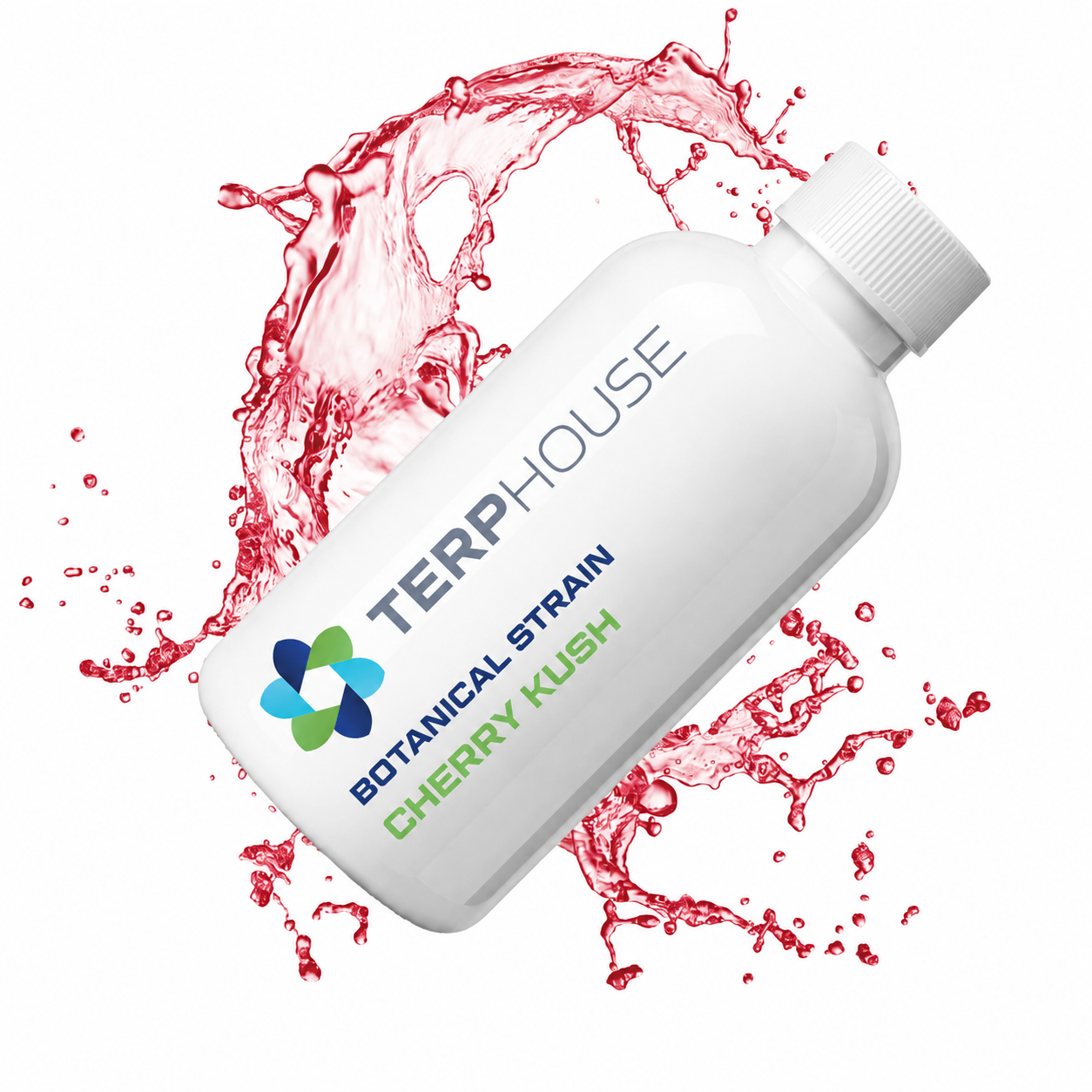
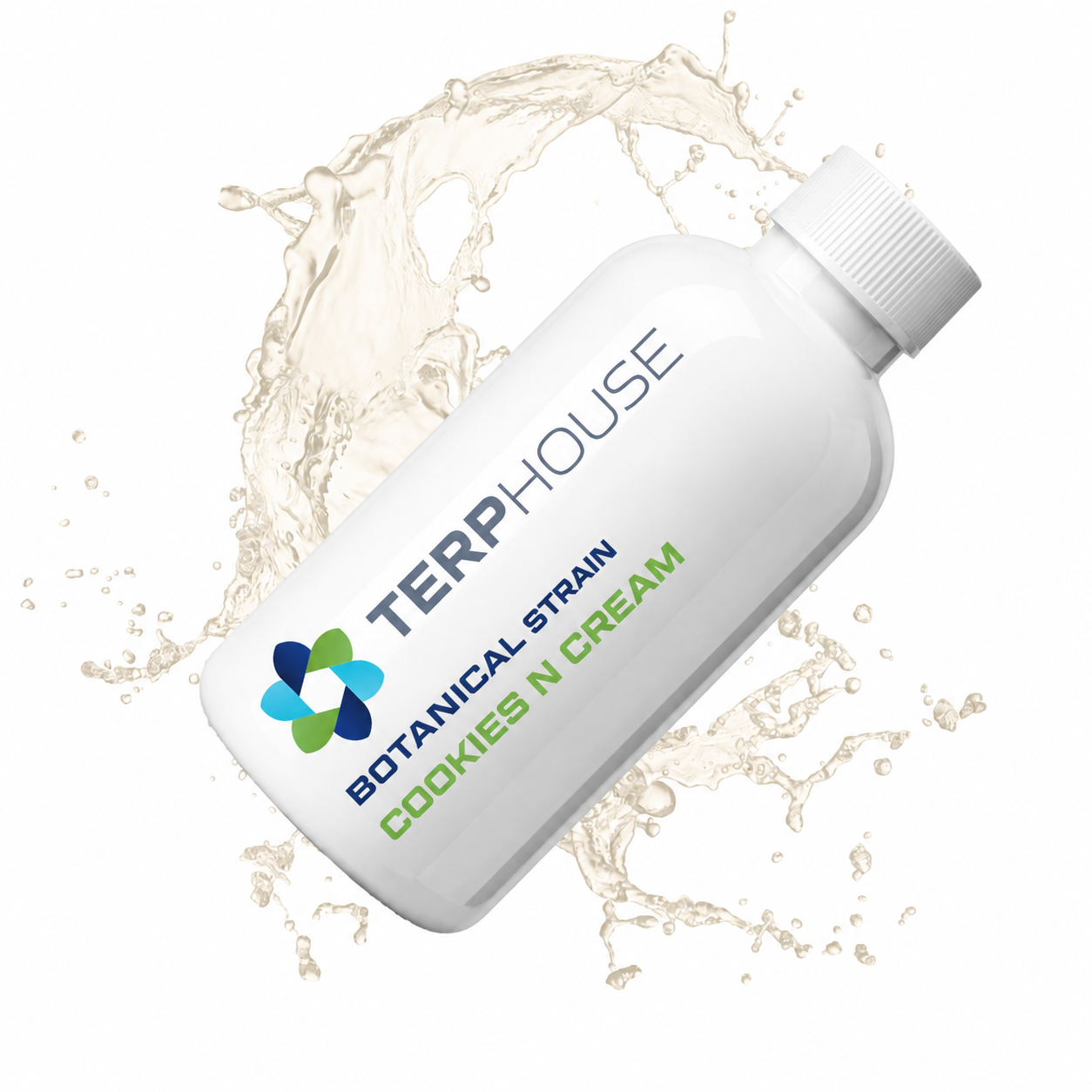
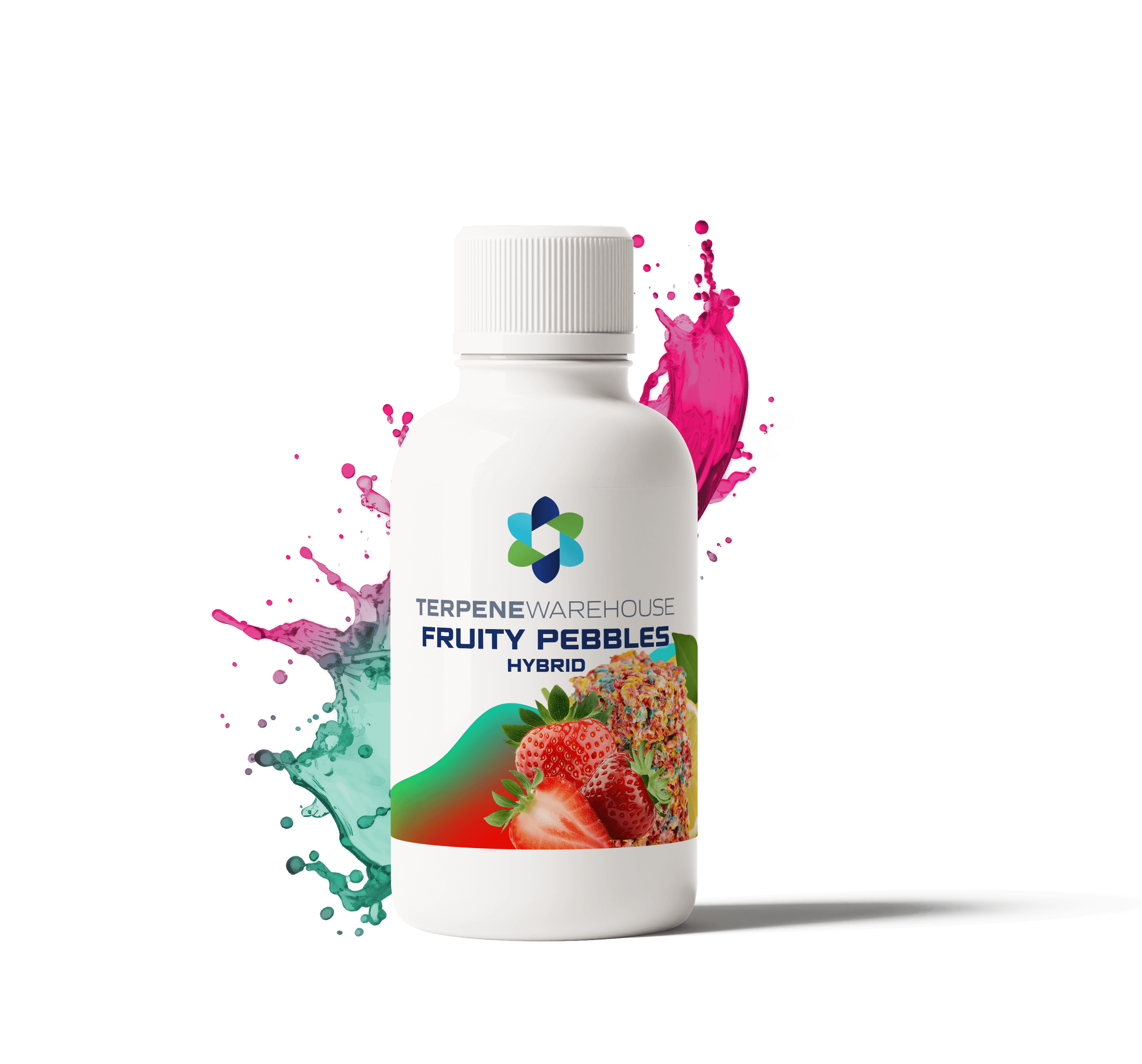
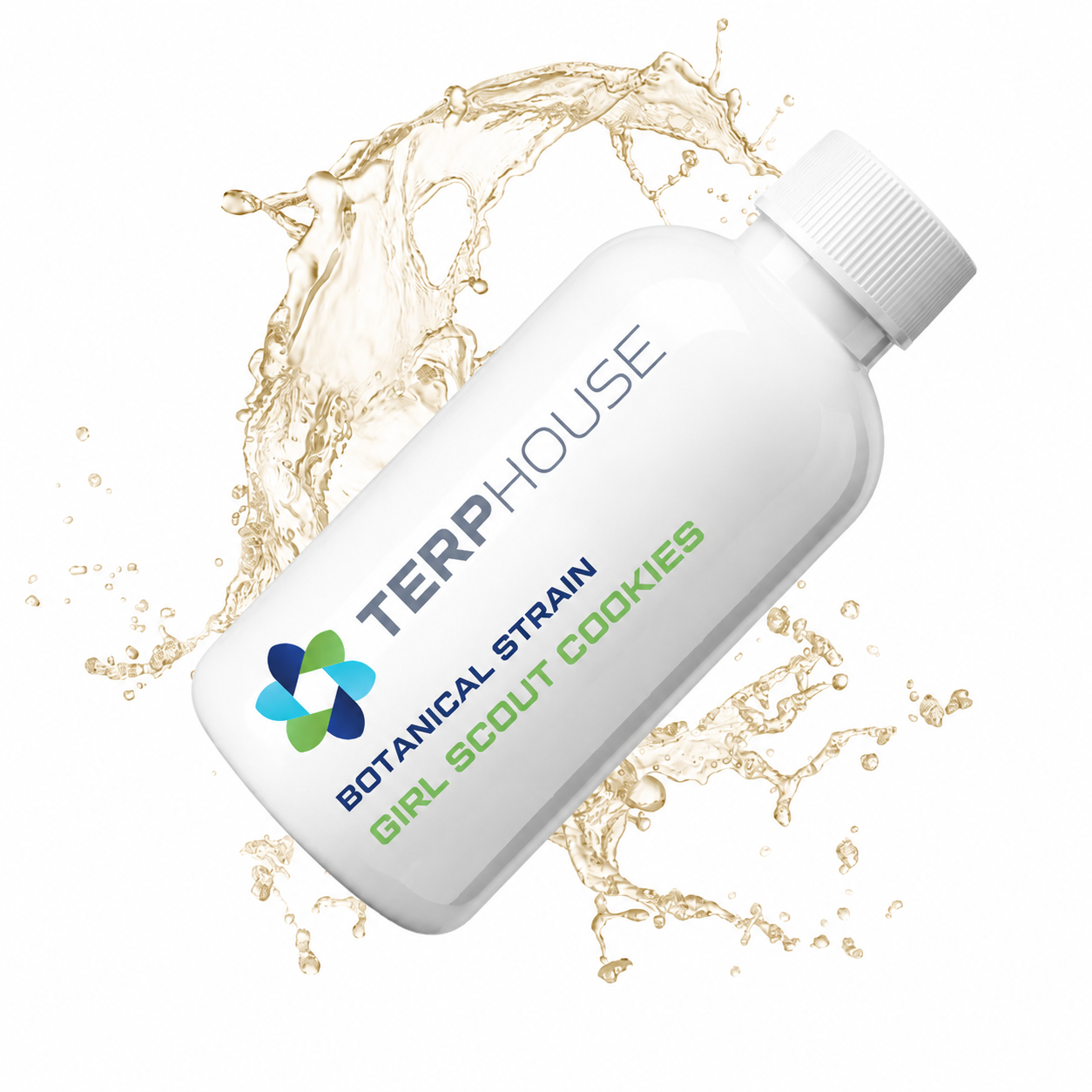
Crafted with authentic, strain-inspired terpene profiles, Terpene for Sleep blends deliver an all-natural approach to help you unwind at night. Each precision-formulated formula boasts earthy, nostalgic aromatics engineered to promote relaxation and mental clarity. Experience peaceful, restful sleep through the calming and natural fragrances of nature’s deep and rich profiles.

Discover the natural way to unwind—shop our terpene for sleep collection now.

Filters
$
to
$
33 products
Sort by
Sort by
Sale priceFrom $8.00

Key takeaways

The top sleep terpenes are organic compounds found in plants that could help contribute to a restful space and relaxation.

Common sleep terps are myrcene, linalool, and terpinolene  each boasting distinctive scent along with possible impacts on mood.

Choosing the perfect terpene for sleep depends on individual preferences, preferred effects, and product type.

Be sure to look for purity, Certificates of Analysis (COA), and transparent sourcing before selecting any sleep terpene product.

Terpenes can be tailored for scent, ease and to mix with ingredients you love in your evening routine.

Results do vary  start low, go slow and pay attention to how it makes you feel to figure out your best match.

What are the best terpenes for sleep?

The top terpenes for sleep are natural plant metabolites that can be found in flower essential oils and in the cannabis plant. People use them for their soothing scents and the calming environment they might be able to spur, particularly just before bedtime. These terpenes are present in products from vape pens to tinctures and bath soaks.

Interest in sleep terpenes has been increasing as more and more consumers look for natural ways to help them unwind at night. They are not a substitute for good sleep habits, but many people appreciate them for the mild non-sedating support they provide and their flexibility as part of a daily routine.

How do best terpenes for sleep function?

Terpenes work with the body’s senses  mostly smell, and occasionally topically. And, because of their potential to be inhaled or absorbed through the skin, some terpenes are said to have an impact on mood and relaxation (which is why they’ve been so buzzy as bedtime routines get higher-tech).

Linalool (lavender) and myrcene (hops), for example, are commonly used in their sedative scent profiles. While the science is developing, anecdotal evidence and early research indicate that these terpenes may promote a calm mind set for sleep.

Since body chemistry varies from person to person, the per-terpene effects aren’t consistent. That’s why experts say to play around with profiles and see what you do.

Read More

Major advantages of best terpenes for sleep

  • Might help create a relaxing nights environmental with natural scents.
  • Provide a non-sedative to gentle relaxing option when it's time for some rest.
  • Mix with other terpenes or essential oils to achieve your own unique effects.
  • In vapes and bath products, available in formats to suit any lifestyle.
  • Commonly used by those interested in promoting natural sleep and maintaining regular sleep schedules.
  • Offer a natural substitute to chemical-filled perfumes and sleeping aids.
  • Encourage smooth transition during sleep time and make all rituals easy to achieve.
  • Transparent sourcing and third party testing is readily available for quality assurance.

Products That Contain Best Terpenes For Sleep

  • Vape cartridges: Rapid  aromas and calming effects kick in as soon as you can inhale them.
  • Tinctures: Sublingual drops for slow release and longer lasting support.
  • Diffuser oils: In room aromatherapy for an ambient approach to sleep relaxation before bed.
  • Edibles: Gummies or chocolate with sleep terpenes (and so delicious!) for a tasty, time-release treat.
  • Pillow, sprays: Spritz on your linens so you smell something relaxing when you hit the hay.
  • Topicals and creams: Rub onto your skin for a localized scent tingling experience.
  • Bath soaks: Spray a generous amount into water for an especially pampering experience since the salt cleanses in addition to smells nice.
  • Roll-ons; Use directly on pulse points for portable relaxation.
  • Inhalers: Portable, discrete aroma-infused bursts for travel or short time application.

Best terpenes for sleep compared to the others

Best Terpenes for Sleep vs Melatonin:

 Terpenes provide aromatic, mellow calming, while melatonin is a hormone pill. For a non-hormonal option, some turn to terpenes.

Best terpenes for sleep vs Essential Oils:

 Both have plant-derived scents, but terpene profiles can be more focused on effects, and they also tend to be higher purity / quality.

Best terpenes for sleep vs OTC Sleep Aids: 

Terpenes do not cause drowsiness, they are taken for wellness support that doesn’t sedate you like most over the counter sleep aids.

Best terpenes for sleep vs Herbal Teas:

Herbal teas operate through digestion and therefore might be a slower acting method, where as using the terpenes in vapes or diffusers can take effect faster.

Quick comparison Terpenes guide

This table makes it easy to compare popular sleep terpenes, their ideal uses and what to keep in mind while selecting.

Option Best for What to expect Things to consider
Myrcene Deep relaxation Earthy, musky aroma; commonly reported as calming May feel too sedative for some; check product source
Linalool Stressful nights Floral, lavender scent; popular for soothing nightly routines Scent preference varies; best in diffusers or sprays
Terpinolene Calm without grogginess Sweet, herbal aroma; subtle relaxation effects More energizing for some; better blended than solo
Beta-Caryophyllene Body comfort Spicy, peppery scent; may support physical relaxation Great for topicals; ensure pure, food-grade sources

Understanding Terpene Aroma Profiles

Each of the terpene for sleep options has a distinct scent profile, which can affect your sentiments. Linalool, for instance has a lavender scent, and myrcene is earthy and musky. And sample various scents to see which ones make you feel the most relaxed. If you find floral flavors too intense, terpinolene’s gentle herbal scent might take your fancy more so than the intensity of linalool.

How to Choose the Best Terpene for Sleep

First, identify what you want your sleeping aide to do for you  deeper relaxation, soothing scent or a gentle wind-down. Next, look at terpene profiles and choose a match that helps achieve your aim. For instance, myrcene is typically selected for a heavier, more relaxing sensation, while terpinolene is lighter and less sedating. Purity and potency will vary on labels; read them always.

Quality Signals to Look For

Legitimate products detail their terpene sources and concentrations, at minimum with third-party Certificate of Analysis (COA). Opt for brands that provide the extraction methods and batch-specific lab results. Seek clear labeling  avoid nebulous “natural flavors” without explicit terpene specifics. A COA is an indication the manufacturer believes in quality.

Sleep Terpene Products: Red Flags

Watch out for those products which have no COA, an incomplete list of ingredient or overly assertive claims. If a product that contains synthetic fragrance or artificial coloring, it can be less effective and in worst case scenario even sensitizing. A general rule of thumb: Steer clear of any terpene blend that doesn’t provide botanical origin or looks suspiciously inexpensive. Always review expiration dates to guarantee freshness.

Comparing Isolated Terpenes vs Blends

Single isolated terpenes are all about that single aroma and effect you want. Blends blend multiple terpenes to replicate complex profiles in plants, and can sometimes provide a more nuanced, or layered relaxation experience. For targeted results, try a single terpene; for an overall effect, experiment with blends.

Interpreting Certificates of Analysis (COA)

A COA is an assurance of product purity, terpene concentration, as well as a lack of contaminants. You must review every COA to verify that your sleep terpene exists at the label claims. Any respected vendor will offer batch-specific results that easily delineate between the cannabinoids and terpenes. If the COA is absent or unclear, look elsewhere.

Storing Terpenes for Maximum Freshness

When stored correctly, your sleep terpenes last longer and stay stronger. Store in dark, cool, airtight containers in a cool place away from heat and light. Fridges can prevent oxidation; do not freeze, as freezing might affect aroma. ALWAYS keep the bottles tightly sealed when not in use or alcohol will evaporate.

Comparing Natural vs Synthetic Terpenes

Plants provide natural terpenes for true to plant aromas and effects. When terpenes are synthesized in a lab, they can be crude and viscid; the end result might not have the subtlety or complexity of nature. When it comes to sleep, most users opt for natural terpenes because of the high quality and similarity to botanical sources.

Mixing Terpenes With Other Ingredients

Others mix terpenes with essential or carrier oils, to up the chill factor or customize the scent. Or blend it with chamomile oil and you’ll take the soothing effect a step further. Try everything in small quantities first to check for compatibility and avoid overwhelming scents. Blend to Make Your Own Wind-Down Rituals It’s nice to have a ritual that you do at night to wind down.

Common Mistakes to Avoid

Overuse is a common mistake  more isn’t always better, and powerful scents can be off-putting. Another mistake is neglecting the COA or using synthetic blends. Don’t mistake “sleepy” for soporific: Terpenes encourage quiet time, they’re not a sleeping pill. Finally, don’t forget personal preference  what suits one person’s ear might not work for another.

Understanding Terpene Strength and Potency

Potency Potency is the concentration of terpenes in a product. More is not always better, especially for sleep because gentle effects may be desirable. Markle also recommends comparing terpene percentages and starting with the lowest effective dose. A vape pen containing 5 percent myrcene could be heavily drying compared to a tincture at 1%  adjust likewise.

Vapes vs Tinctures for Rest: Which Is Stronger?

 Vape - Vape products have rapid onset and are great if you want immediate aroma. Tinctures take longer to kick in, but they provide a slightly longer-lasting effect. If you don’t have much time before bed, vape is probably better; if you need a longer-lasting support with a long extract life time would be tinctures are simply the best.

Choosing the Right Product Format

Think about your bedtime rituals, do you rush through a puff, take a mellow bath or even sleep with a scented pad? Edibles and bath soaks provide a longer, more graduated release; diffusers and sprays seek to create an ambient scent. Experiment with different formats to see what best fits your lifestyle.

Reading Ingredient Labels Effectively

Look for labels with a botanical source, the specific terpene names and no fillers. “Myrcene (hemp-derived)” is a friendlier ingredient than simply “natural flavors.” If you come across sneaky or proprietary blends, know what you’re getting or go with something that has transparent labeling.

Crafting A Night Time Routine Through Terpenes

Add terpenes Simply do them at the consistent time every night. For instance, diffuse linalool as you’re getting ready for bed, and then apply a roll-on to your wrists when finishing up; since it consistently will make body better be able to associate that fragrance with winding down and maximize the benefits.

Bath Soaks vs Pillow Sprays Battle of the sleepy scents.

The full-body relaxation, spa-like experience of a bath soak requires more time. Pillow sprays are short and sweet, a directed fragrance hit. If you have 30 minutes, a bath soak is indulgent; if you’re pressed for time, a pillow spray is the next best thing.

Customizing Terpene Blends for Sleep

Just like with essential oils, you can blend terpenes to create the scent and effect that’s right for you. For instance, mix the couch lock of myrcene with a hint of terpinolene so you can be your best self. Begin in small quantities and take notes about what works best for you. Custom concoctions can also help make you your routine more pleasant and productive.

Signs of High-Quality Sleep Terpenes

Seek out products that have third-party testing, transparent botanical sourcing and no unnecessary additives. Good terpenes should smell fresh and clean and be sold in well-sealed bottles. If it smells off, or the oil is cloudy, choose another batch.

Sleep Terpenes vs Focus Terpenes Battle of The Terps - Who Rules Them All?

Sleepy terpenes such as myrcene and linalool can help you to relax, while limonene and pinene are frequently used for alertness. If you must unwind, stay with sleep-driven profiles. Because the blend is made with a focus terpene and it’s used at night, you still may find it somewhat difficult to relax if you use the balm too liberally.

Terpenes and Supplementing With Other Nighttime Products

Terpenes can include other natural nighttime aids, including herbal teas and calming music. So diffuse linalool while you drink cachamomile tea. Do not mix strong stimulants with this, it can negate the relaxing.

Terpene Shelf Life and Expiry

Most terpenes have a shelf life of 12-24 months with proper storage. Look for expiration dates and pass on old, oxidized oils that smell wrong or seem less effective. Advertisement If at any point you notice a change in smell or appearance, it’s time to replace your product.

Adjusting Dosage for Nightly Use

Start with a little and add more if you need until it is comfortable. Use less drops if the diffuser is too strong. If you have opted for a topical, start with an application of a small amount and see how both your skin and mind respond. Pay attention to what is best at maintaining your routine results.

Sleep and Pain Support Terpene Comparison

A few terpenes, including beta-caryophyllene, are also frequent in sleep and comfort blends. If you want both advantages, search for multi-use blends. But the perfect ratio for sleep might not be what’s best for physical relaxation, so adjust as you see fit.

Certifications of Terpene Products to Look For

Third-party certifications, such as USDA Organic or verification by an ISO lab, provide further assurance. Not all specifications are mandatory, and these certifications serve as proof that your product meets higher standards. Opt for certified products if you’re extra worried about purity or allergies.

What to do if Sleep Terpenes Don’t Work

If you’re not experiencing any effect, try a different terpene profile, or going up or down in amount  or switch forms altogether. In fact, sometimes the ambient light or sound can affect your results more than the terpene itself. Assess your routine and make minor changes until you get it just right.

Comparing Inhalers vs Diffusers

Inhalers offer a concentrated, take-along whiff of aroma perfect for sniffling on the fly or for quick relief. Wireless Remote Control: All for easy operation; Precision Proportional dimming (no limit to 1% to 100% without JITTER); Dimming effect smooth and vivid, Perfectly compatible with reflecting plate(Not Included) No flick in low order to protect your eyes. For portability, inhalers take the cake; for home relaxation, diffusers are more encompassing.

Understanding the Entourage Effect

When a combination of terpenes is combined, together they may provide an effect greater than the sum of their parts, which is called the “entourage effect.” This means that a blend of terpenes can provide more generalized support than could any one single compound. When it comes to sleep, look for blends that include myrcene, linalool and just a hint of beta-caryophyllene for a more well-rounded profile.

Combining Sleep Terpenes With a Bedtime Ritual

Make the most of a relax session by taking terpenes with quiet time activities such as reading, meditation or soaking in some warm water. Diffuse linalool while meditating to enjoy its soothing aroma, which signals sleep time, for example. A good match can help you look polished.

Comparing Food-Grade vs Aromatherapy-Grade Terpenes

Food-grade terpenes are edible, whereas aromatherapy-grade are for inhaling or applying to the skin. It is important to pay attention to packaging and intended use before using a new product. If you’re unsure, opt for external use, just to be safe.

How to Know if Terpenes Might Be Right for You

Evaluate your sleep goals and scent tolerance. If you’re sensitive to smells, begin with less pungent terpenes, or lower concentrations. If you like experimenting, experiment with a few different profiles and formats until you find what best aligns your routine.

Format comparison Terpenes for Sleep

The form you opt for influences how soon you smell the aroma, how long the relaxation can potentially last and what bed-time routines it will jive best with. Deliver the formats that meet your needs with this guide.

Format Onset Duration Best use
Edibles 30-90 min 4-8 hrs Long-lasting, gentle wind-down
Vapes 1-5 min 1-2 hrs Quick onset, immediate aroma
Tinctures 15-45 min 2-6 hrs Steady support, easy to dose
Topicals 10-30 min 1-4 hrs Targeted relaxation, massage routines

What affects results?

  • Your unique body chemistry.
  • Terpene composition and mix (single versus multi-terpene).
  • Product quality and source transparency.
  • Formatvape, tincture, topical, edible, etc.
  • Dosage and concentration used.
  • Timing relative to bedtime.
  • Other addenda or adjuncts.
  • Storage (light, heat, and exposure to air).
  • Reliability of use (occasional vs nightly).
  • Environmental factors such as noise and light in your bedroom.
  • Personal scent and taste preferences.
  • Interaction with existing wellness routines.

Using best terpenes for sleep in a safe way

  • Be sure to read all product labels and instructions.
  • Do your due diligence and check for third-party lab results (COA) before use.
  • Definitely do start low to assess tolerance.
  • Terpenes should however be stored out of the reach of children and pets.
  • Patch-test topicals on a small area of skin before using them.
  • Do not use outdated or improperly stored products.
  • Avoid mixing with unknown substances.
  • Do not use around open flames or heating elements (vapes and oils included).
  • Do seek professional advice if you have allergies or sensitivities.
  • Do not use around the eye, wound and mucous areas.
  • Do look out for any irritation or discomfort and discontinue if you experience it.
  • Do not exceed recommended serving or use regularly.

This essential checklist covers everything you need to incorporate sleep terpenes into your nightly routine, whether you’re just starting out or refining your process

Step 1-Know your stuff

Determine what terpene your product has . Learn about their traditional scents and reported impact. Understanding what each terpene does can help you manage your expectations and make goals for your personal bedtime routine.

Step 2-Quality and the COA

Ensure terpenes are pure, concentrated and free of undesired contaminants by checking for a Certificate of Analysis (COA). Stick to products from good and reputable companies, which have third-party lab results available.

Step 3-Start low and go slow

Start at the tiniest quantity recommended, be it a drop in a diffuser or one puff from a vape. Continue to increase, slowly adding more over a series of several nights, until you hit the point where it feels right without overwhelming your senses.

Step 4-Ask yourself, what’s the end goal?

Select the format that suits your lifestyle - diffuse for room aroma, tincture for slow-release support, or apply a topically for targeted comfort. As an example, if you love baths, perhaps a terpene-infused soak makes more sense; if effect is totally your thing, a vape pen is likely better.

Step 5-Observe and document

Notice how well you relax and sleep following the use of the terpene. A few sentences follow for each med, writing down the product, dose of it you took and when and how you felt. This way you are able to monitor trends and respond accordingly.

Step 6-Establish a repeatable routine.

Consume your selected terpene product at the same time each evening and combine it with other relaxing activities, such as reading or meditation. It’s about repetition and making the smell part of your body’s wind-down signal.

Step 7-Refine over time

After a week or two, look back over your notes and modulate as necessary  this might involve sampling a different terpene, experimenting with formats or even making small changes to the conditions of your bedroom. By personalizing your approach you will get the most out of your sleep terpene experience.

FAQ

It bears mentioning that there is no one “best terpene” for sleep, but myrcene and linalool are two of the most popular ones with calming scents. The right option for you comes down to preference and the type of effect you’re going for. Some like to sample different profiles or blends until they discover which is right for their nighttime regimen.
Yes, a lot of people do mix (custom mixing your own terpene profile) terpenes to personalize their smell and how much relaxation they receive throughout their day. Myrcene plus linalool, and a pinch of terpinolene or beta-caryophyllene can be more complex. Start with just a little and take notes until you come up with your own perfect combination.
The length of time depends on the product style. Vapes and inhalers have fast onset but short duration (1-2 h), and edibles, tinctures long onset but long duration of action. Base your selection on your bedtime habits and how long you want the scent to linger.
TerpHouse specializes in food- and cosmetic-grade terpene profiles for vape, gummy, beverage, topical and aromatherapy brands. The team we represent dials in the terpene system for a strain and produces in effect driven, strain aspire and custom profiles that can scale from pilot batches to national rollouts.